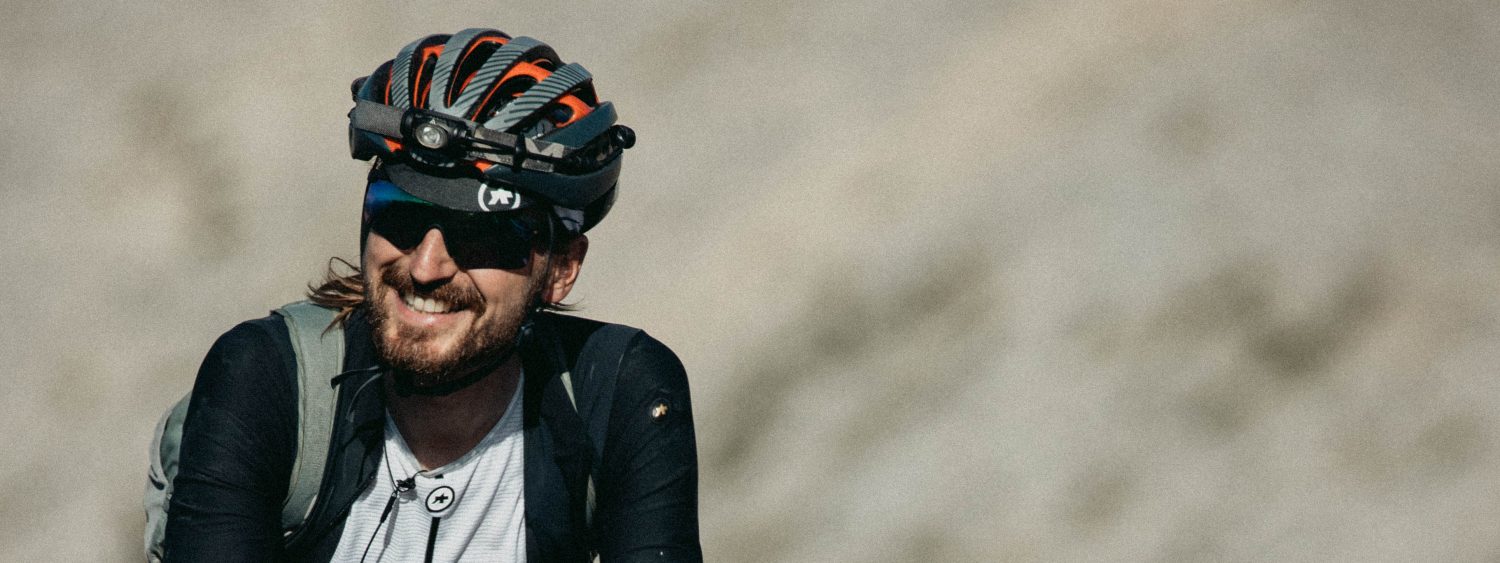
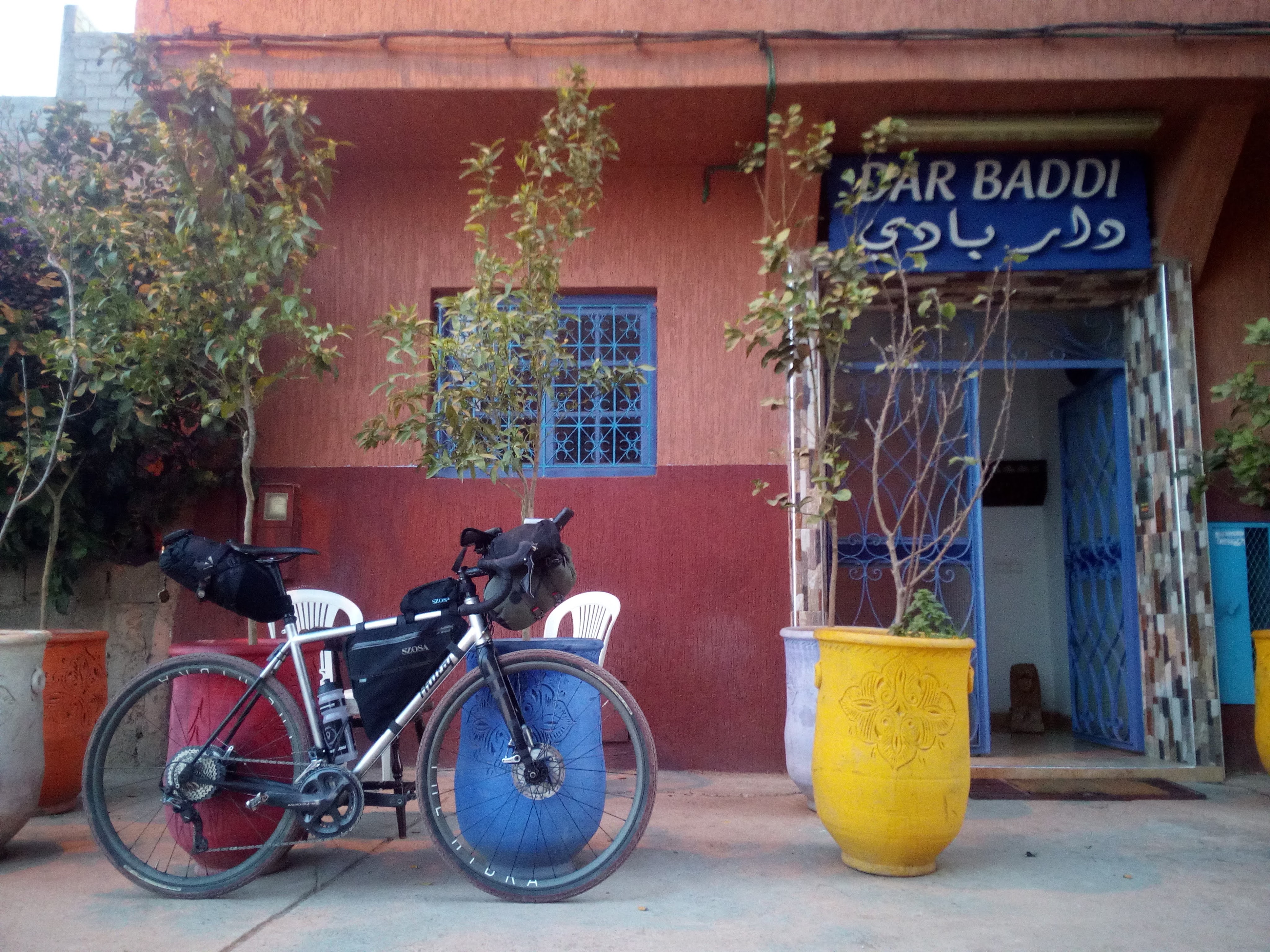
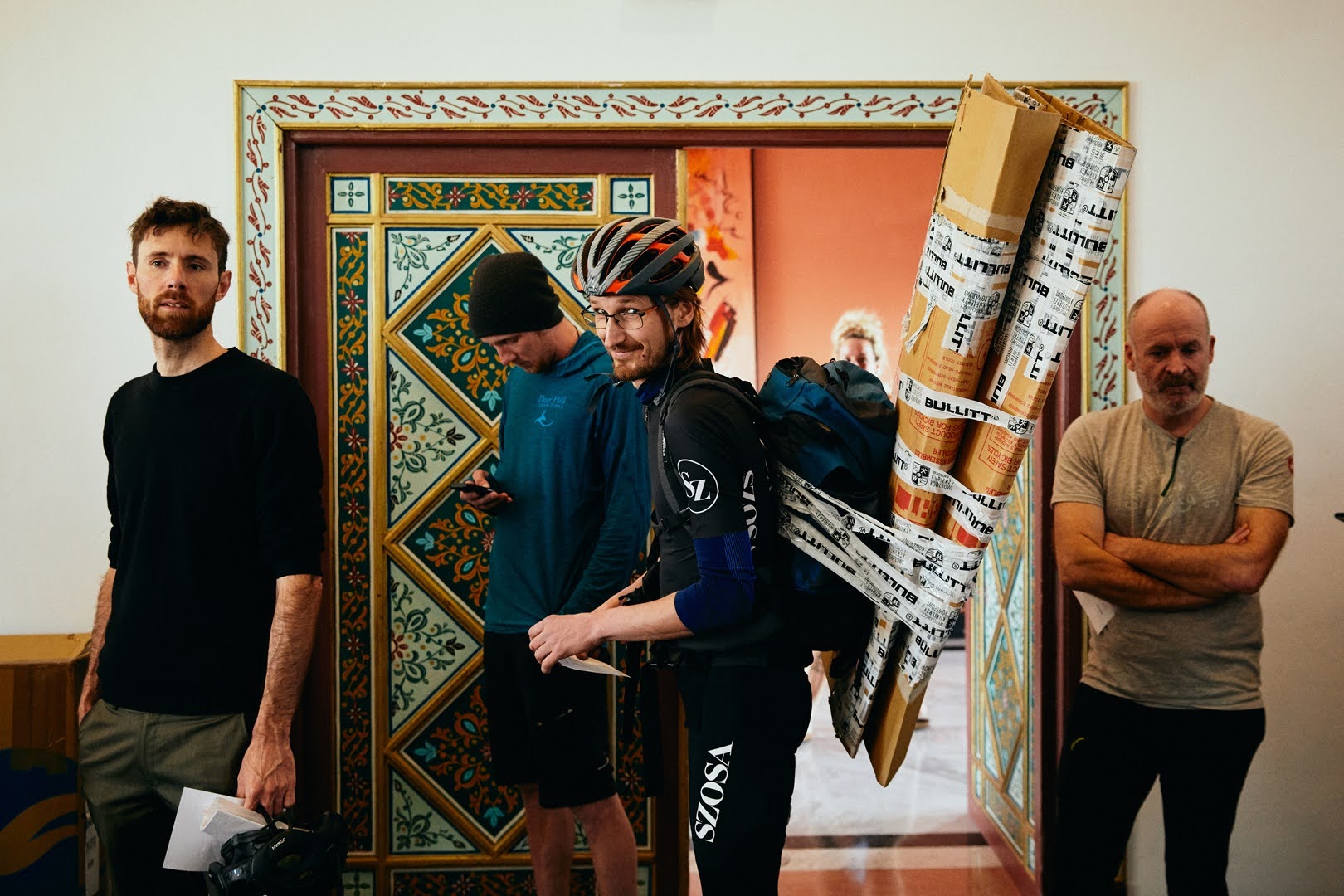
Morocco welcomed me very warm. I landed in Marrakesh around midnight, a day and a half before the start of the Atlas Mountain Race. When the taxi driver shouted the price for 7 kilometres with the bike cardboard box sticking out of the car booth, I immediately remembered all my friend’s advice; haggle! So I did so well, that the driver kicked me out of the cab saying that I wanted to skin him. Stubborn as usual, I built up my bike politely, rolled up the cardboard box as much as possible and in a Szczecin’s messlife style I road with it like with a sail on my back to a small hostel, south from the city centre.
Although it was already two in the morning when I got there, Abdullah, the guardian of the hostel, was waiting for me in the lounge, with the keys to my room. I went to bed and I fall asleep. When I woke up the next day, I was greeted by the singing of muezzin and a strong guttural cough, that I didn’t expect at all.
Welcome to Morocco.
In mid-February 2020, I took part in the inaugural self-supported Atlas Mountain Race. A few words for those who won’t know, it is a one-stage bicycle event that takes riders from Marrakech to Sidi Rabat near Agadir over a distance of 1150 km. The route of the race is predetermined and leads through the Atlas Mountains ranges exactly High Atlas and Anti Atlas. It is a race designed by Nelson Trees, a known ultra-distance rider of the Transcontinental and few other races. As stated on the race website, Nelson, inspired by the spirit of TCR, designed something similar, but the terrain at which he focuses completely differs from what we can find at TCR. In 2018, Nelson organized his first off-road race, Silk Road Mountain Race, the route of which goes through the high mountain passes of Kyrgyzstan. Already after the first edition of this event, the world of long-distance racing was overwhelmed and everyone knew that the SRMR had become one of the most physically and mentally difficult race that has ever been designed. Definitely, it comes under the category of a survival race, and not only a bicycle race. Hard terrain, many long „hike a bike” sections, multiple river crossings, high and nearly accessible mountain passes and very few resupply options have become a showcase of Nelson’s race. That’s why when I signed up for the Atlas Mountain Race, I was expecting practically everything.
The race started in Marrakesh, on Saturday, February 15, 2020, at 9 a.m. Under the escort of Moroccan Police, we were led out of the city through beautiful asphalt roads going up in the mountains. The first 30 kilometres and the heat was felt by everyone and the water was quickly depleting my bottles. After 50 kilometres my one litre water bag was empty.
The first 200 km is nearly 5000 meters of elevation and the difficult, nearly forgotten Tizi-n-Telouet at a height of 2544 m above sea level. „Take it easy,” I thought after the start and keeping the steady pace I was going into the unknown to me yet Morocco.
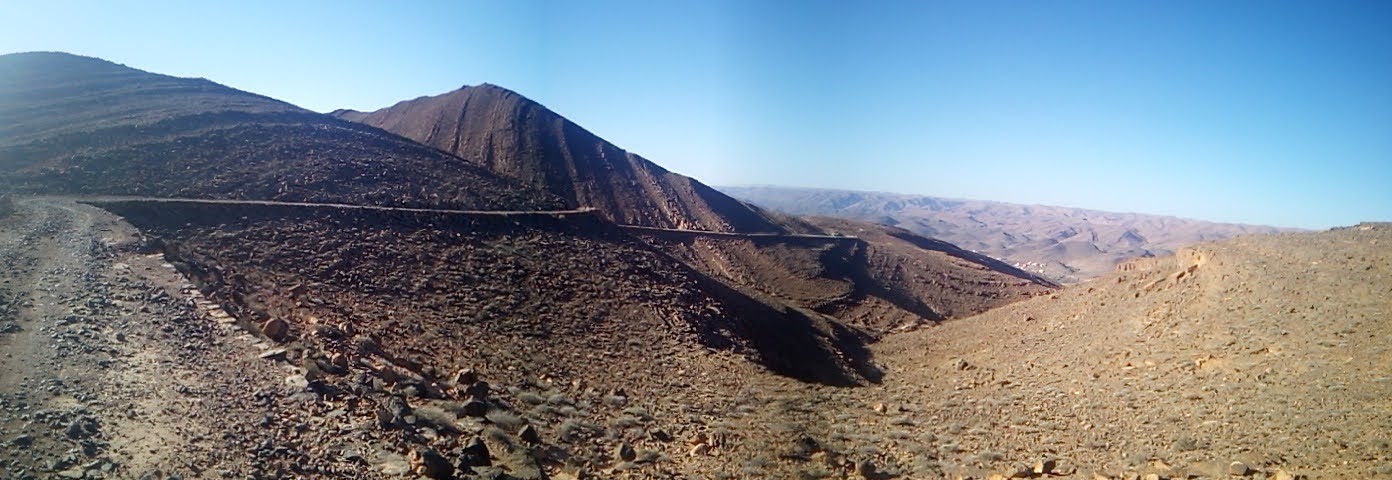
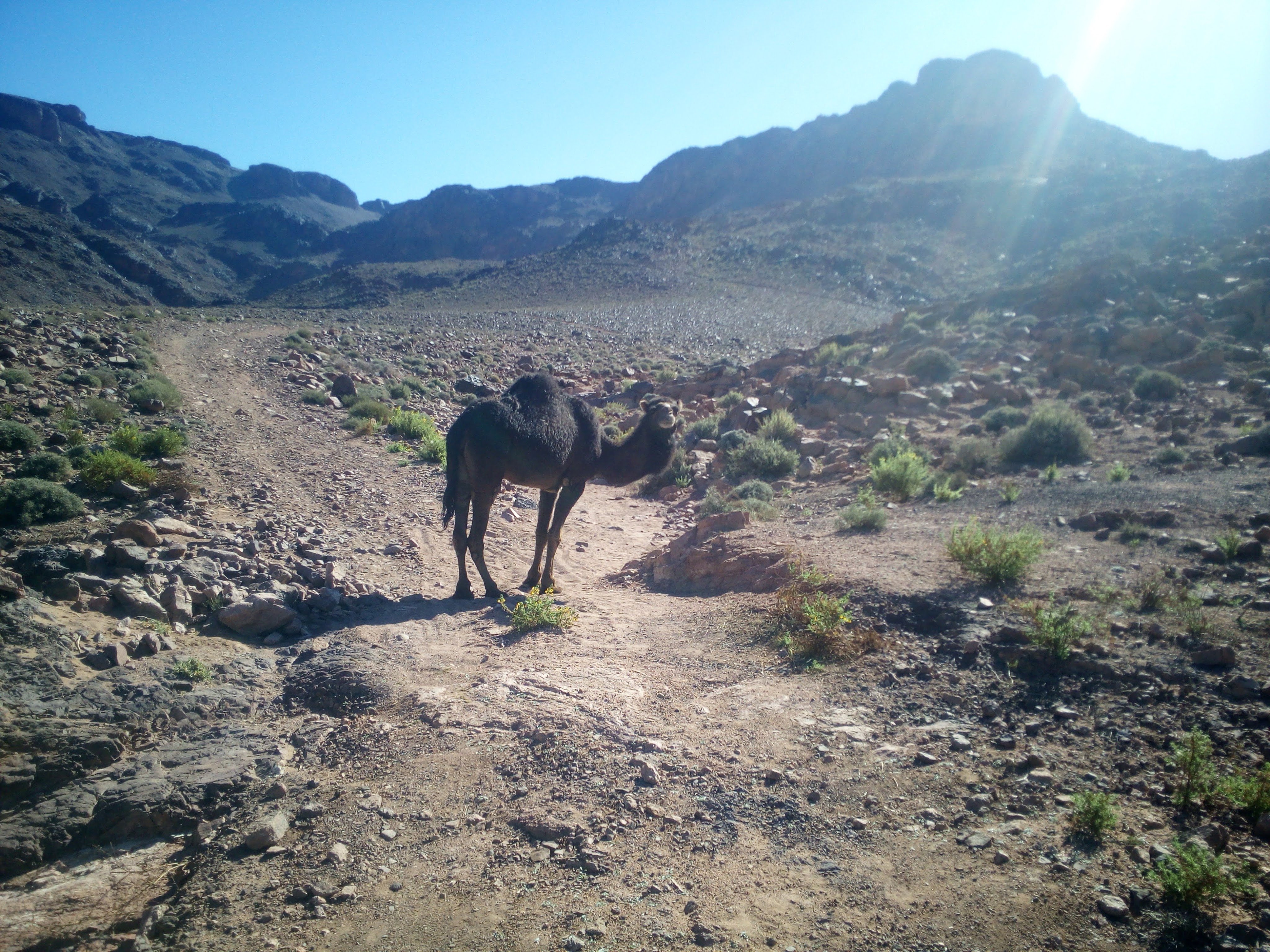
The area is wonderful. Views exactly like those presented on the race website photos, however, the vastness of these mountains, is much more real. The High Atlas is over 4000 meters above sea level, and I could feel it when I was looking at them from a distance. We quickly reached altitudes above 1500 m.a.s.l. and after less than 90 kilometres, the steep gravel and rocky road began and It stayed like that for the next 1,200 meters up. The road leaded us to the foot of Tizi-n-Telouet, from where the last six-kilometre is a drastic gradient climb that forced me to push the bike up.
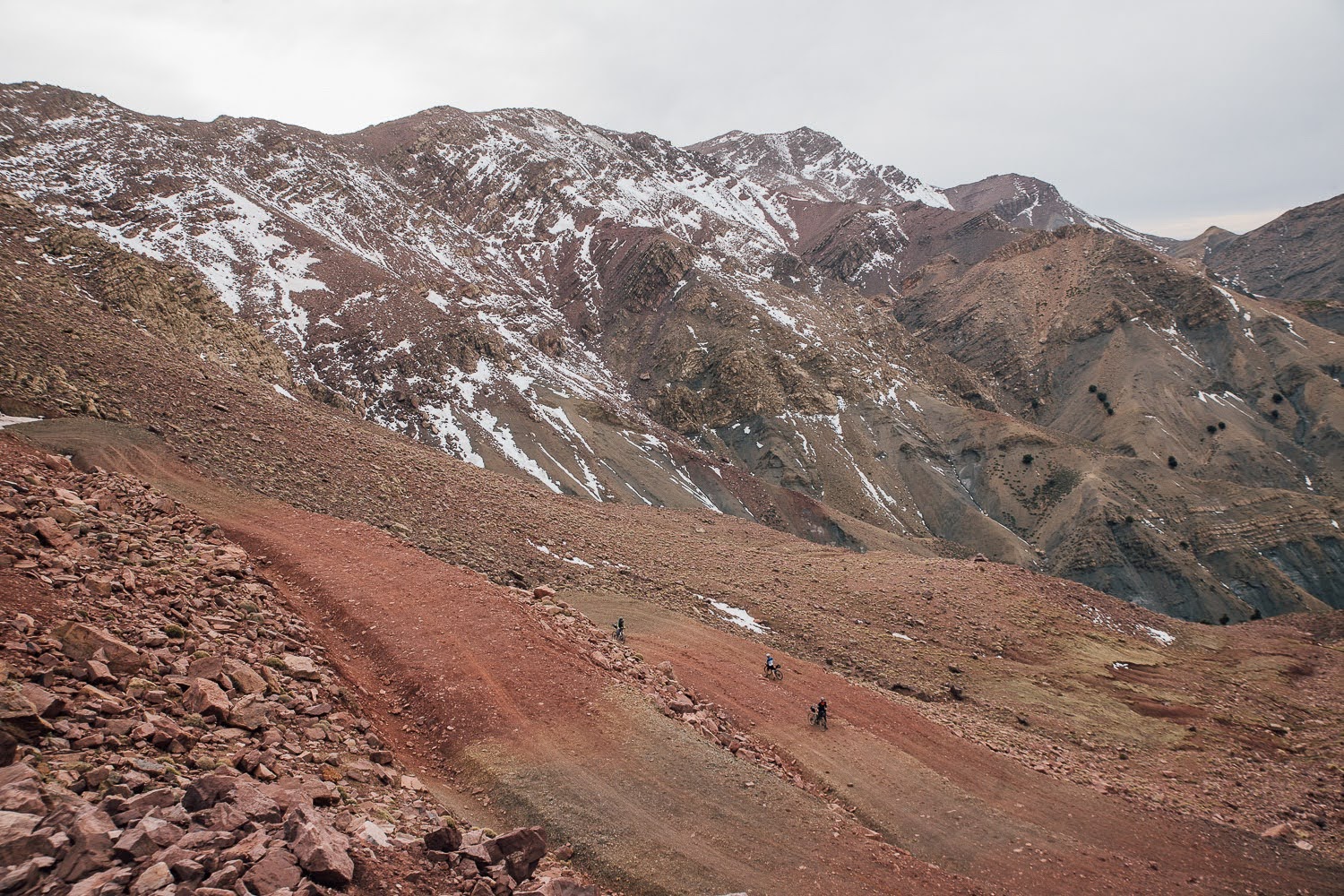
I accepted the vision of walking to the top and when I looked back I could see the string of other riders scattered along the ribbon road, doing the same as me. The summit was rough, deserted and windy. The view of both sides of the High Atlas was quite spectacular, a bit like photos from a Martian rover.
What was waiting for me on the other side of the pass, Nelson called the Mule Road. Big stones arranged in some natural way forming a sort of staircase but so irregular that it is impossible to ride a bike. For me it was to difficult and to dangerous. Few riders in full-suspension tried their skills, but it often resulted in a crash.
This several-kilometre walk took us down to a passable gravel road that eventually changed onto the tarmac road to Telouet. And here it was the first checkpoint I reached after 10 hours. It was only 126 kilometres, but a quantity of height differences already exceeded 3700 meters. Adding the terrain difficulty, drastically reduces the assumed average. The first lesson of humility was done here.

A checkpoint is a place where we show ourselves to the organizers, we get a stamp on our brevet card and we often stock up with food for the rest of the journey. There was a restaurant and a hotel. I ate two local soups (harira) and moved on, knowing that now it will be a night ride. There were two more checkpoints on the route, at kilometre 660 and kilometre 960.
The first night in unfamiliar territory is always exciting. I still remember well that feeling when the first time I entered an Australian night during my IPWR. It is the new, that makes it happen. In this race in Marocco, in the night I’m not sure of the landscape really, no matter if I am high or low, in the wilderness or a town. All concentration is focused on the road and what lies on it. The night is like a necessity that You can’t get around or cheat. Here I recognized another drastic difference between a night ride on the road and the terrain. Here the focus is much greater. One stone or hole can change everything, and there are a lot of them on the route. A flash of inattention can end the race in one moment.
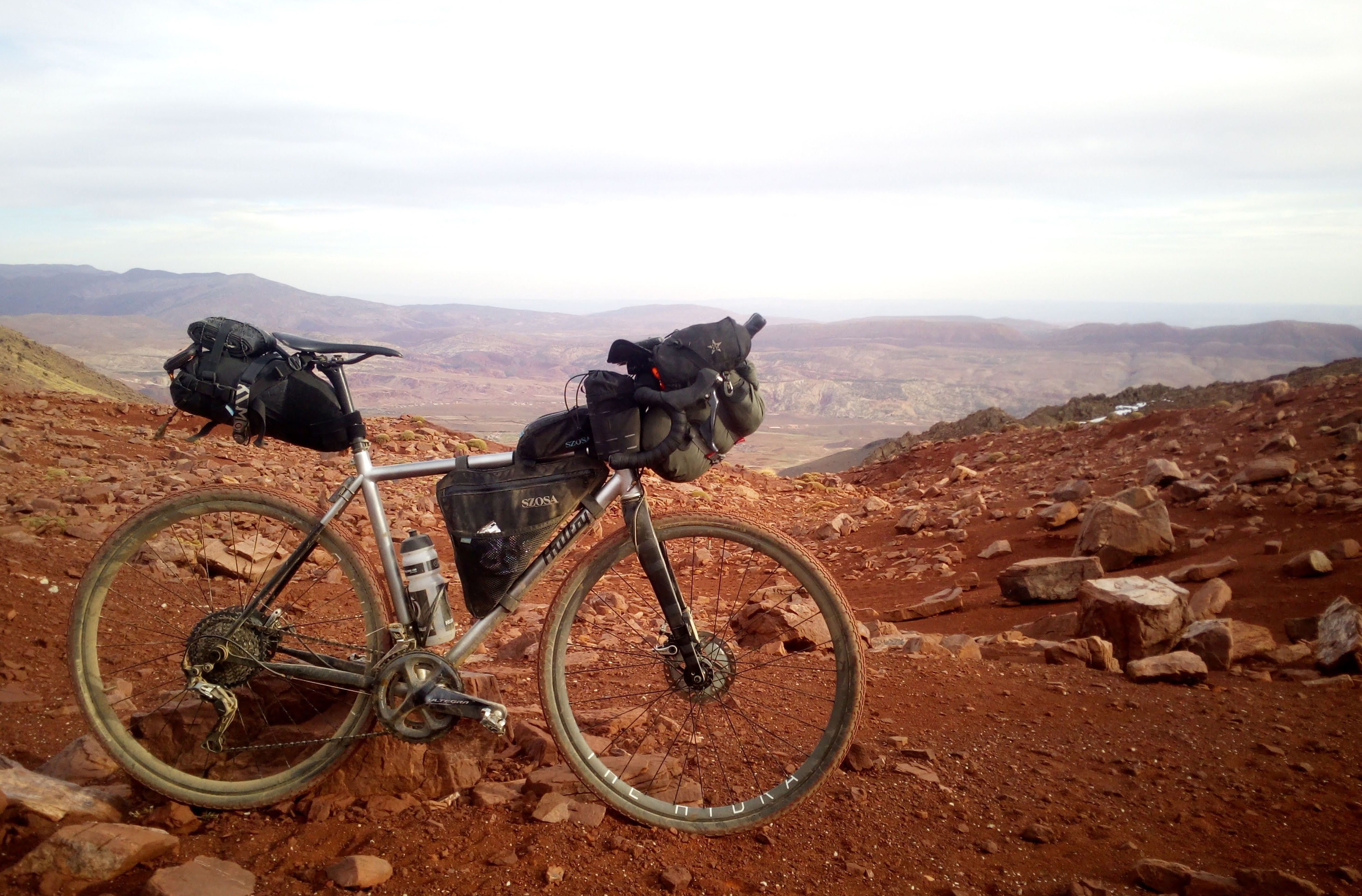
The other riders were not close anymore. Only red lights sometimes remained, high above from me every now and then. I know then, that I will have a climb to make. When I looked back, I could see white flashing headlamp lights somewhere in the distance below. The silence was disturbed by the noise of tires on gravel and stones. Everything was completely different from what I knew so far. Simple things that I usually do on my bike such as eating, opening chocolate, putting on sleeves or buff became much more demanding. It is not that easy, as on a tarmac. As the night went deeper, I started to overtake other riders who were making their roadside „camps”. They have probably decided that 150-180 km and more than 4,000 of the altitude difference was enough for today. My plan for this race was completely different. I was riding a custom adventure bike by Hultaj, on 622*38mm gravel tires. Even before the race, I knew that such narrow tires and the lack of MTB geometry would affect my speed quite a lot. That’s why I did bet on the amount of riding in terms of time rather than on its quality in terms of speed. The first night of the race was of course non-stop.
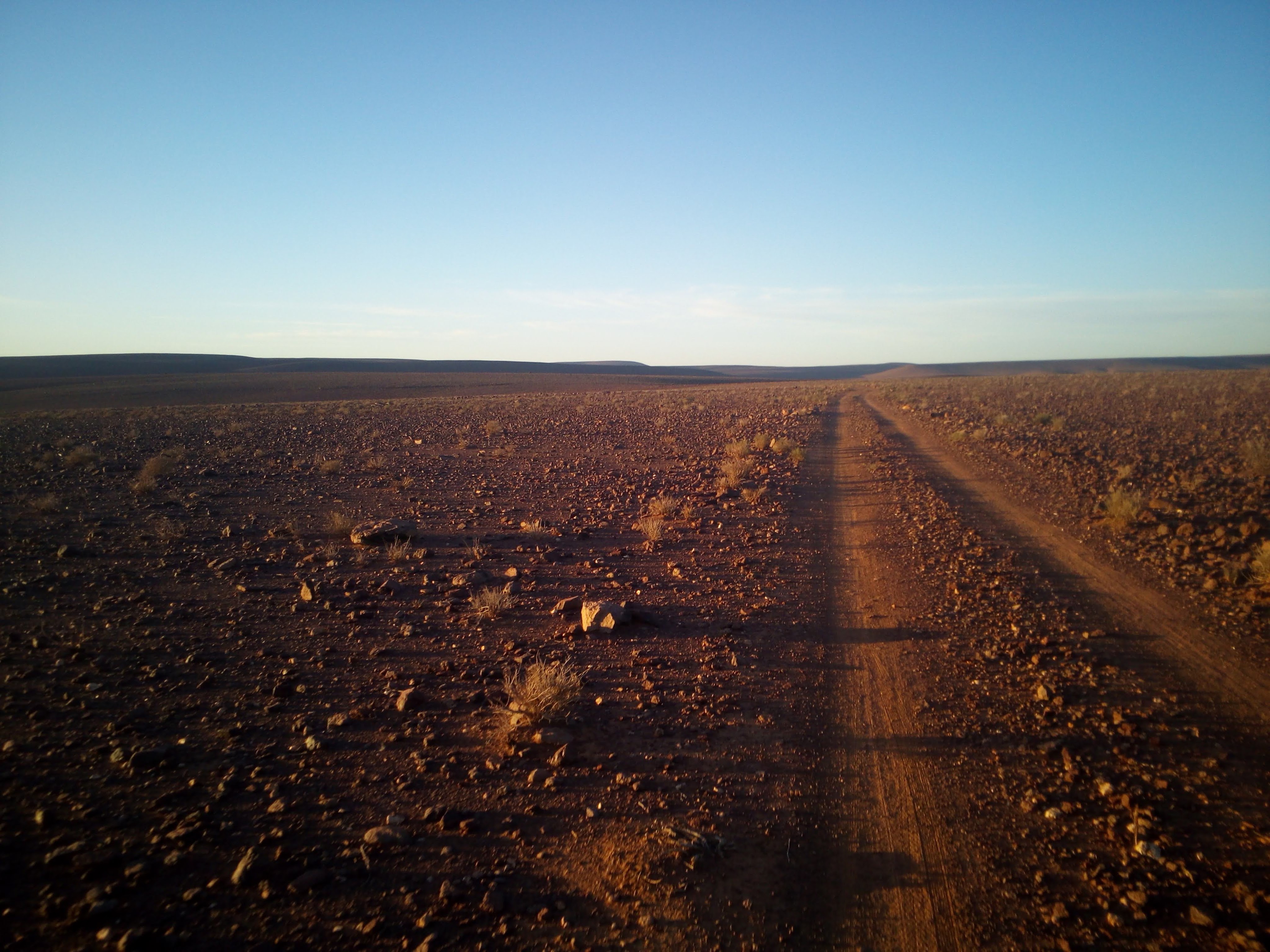
Atlas Mountain Race is not only a demanding and difficult terrain. This race is also a logistic challenge because there are not many supply options in the Atlas Mountains, and certainly not in the night. As it is better with water because thirst is much less when there is no sun, lack of food, however, is something that is quickly felt, especially during such physical exertion. The very first night I ran into this issue which also arises from the fact that as a zero-experienced off-road rider I couldn’t be 100% sure how long it will take for the next 50 km.
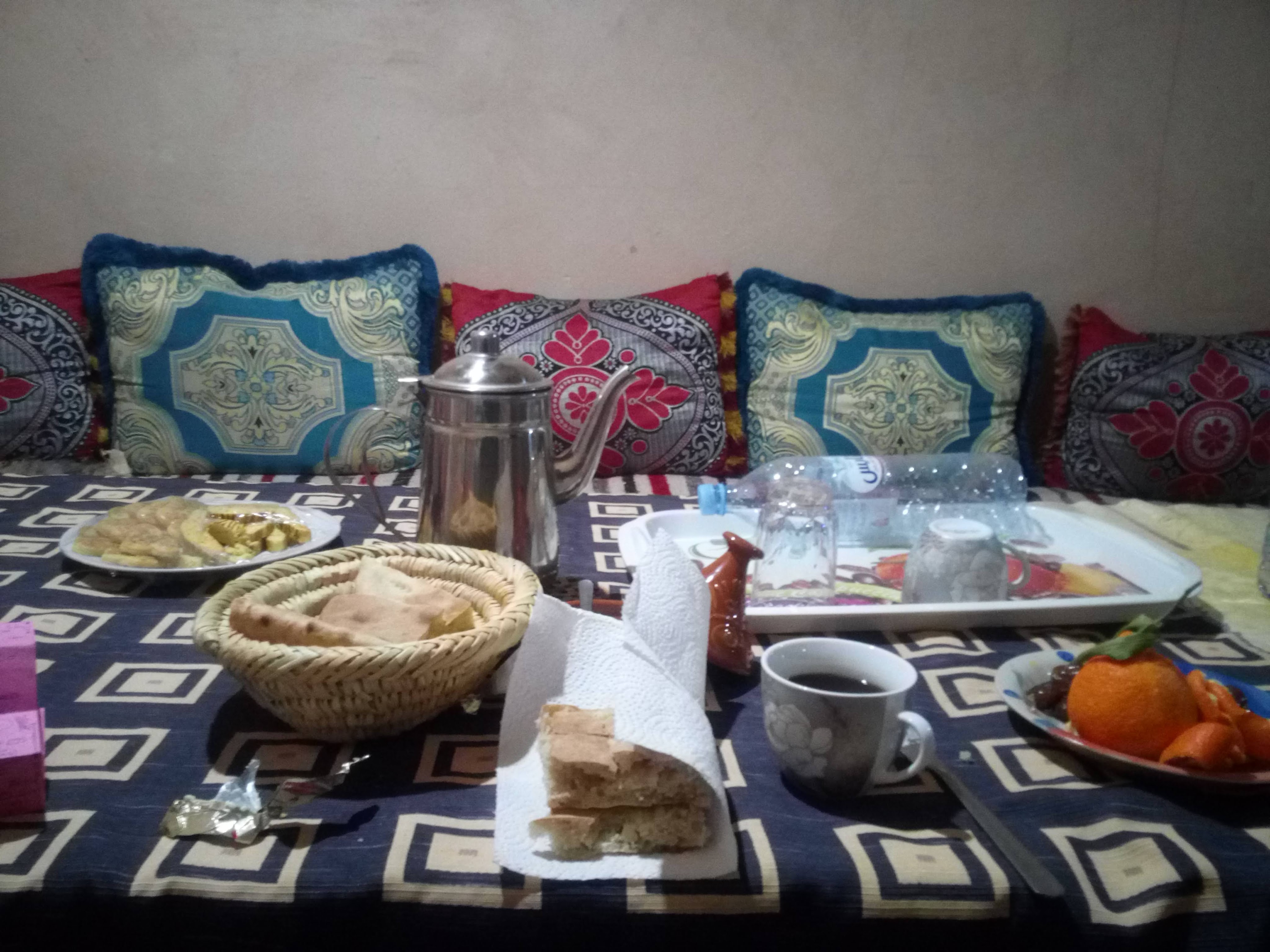
As I rode through the rocky gravel in the middle of the night, I knew that the nearest larger village, Imassine is about 80 kilometres away, but I will be there too early for anything to be open. My supplies were about to finish but I decided to keep going, hoping something will happen. About 30 kilometres before Imassine, at three in the morning, I was stopped by a Moroccan dressed in a characteristic dark hood. He showed the property several meters away from the road. He didn’t speak English well, only French, but somehow we both understood that he has food and I’m hungry and ready to pay for it. On the spot, I noticed few bicycles of other riders and it turned out it is a hostel. I explained that I don’t want to sleep, but I will gladly eat everything they have and take something else for the road. It wasn’t much, but I managed to eat some couscous, pasta with meat and a few oranges. I refilled water, took a few sandwiches with cream cheese for the road and continued, leaving the others’ bikes behind, convinced that the next 35 kilometres will go like a payoff.
Nothing could be further from the truth and here, for the first time I was about to see the true face of the Atlas Mountain Race. The ride has become a torment and one great physical effort. A large number of stones and endless troughs of deep but dry rivers which I crossed one after the other for the next 30 kilometres. Constant drift and pushing the bike and finding the right path was a lot of trouble and caused huge waste of time. It took me nearly 4 hours to cover these 35 kilometres.
I was in Imassine approx seven in the morning. The roadside bar was already open and I did not deny myself three fried eggs and coffee. The gas station a few kilometres away turned out to be 24 hours, so no major problems. I had my first look at the race map. Each rider was wearing a GPS transmitter thanks to which our position was generally available to the whole world. I wasn’t sure of what I could count on, especially since the awareness of the screws in the hip, after fracturing of the femur neck six months earlier. I knew from the start, that I had to be very careful and to slow down rather than push on. My form also left a lot to be desired because I only got back on the bike three months earlier. After all, when I saw that after the first night I’m in the vicinity of the top ten, I have been extremely motivated to speed up.
The second day of the race was another determinant of what the Atlas Mountain Race is. After crossing the first real river where there actually has been water, we had another climb up to 2000m above the sea level, on the Tizi n’Tiferguine Pass. The last few kilometres are 16% push, mainly due to large and sharp stones scattered all along the road. After about an hour and a half, I’m at the top. Happy. I got on Hultaj and rode down, no considering too much the rocky surface. After a few minutes, my rear tire completely lost air and the front one was nearly empty. I pumped both up and I could see the sealant leaking along the entire length of the rim. I spent a lot of time until I was able to get air in tires to a satisfactory pressure. Riding further, I couldn’t afford any quick descents anymore, because it soon ended in sealant leaking again.

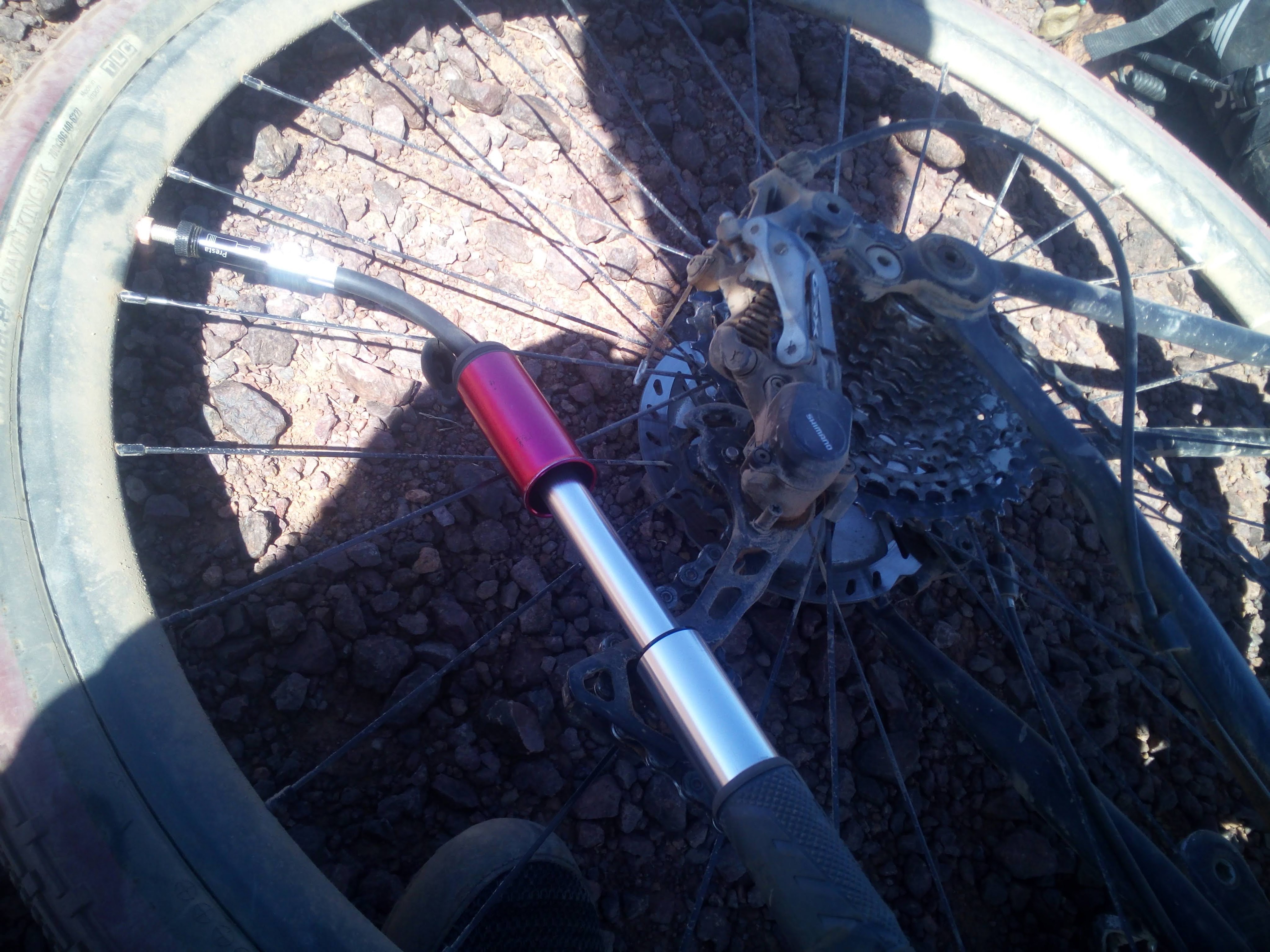
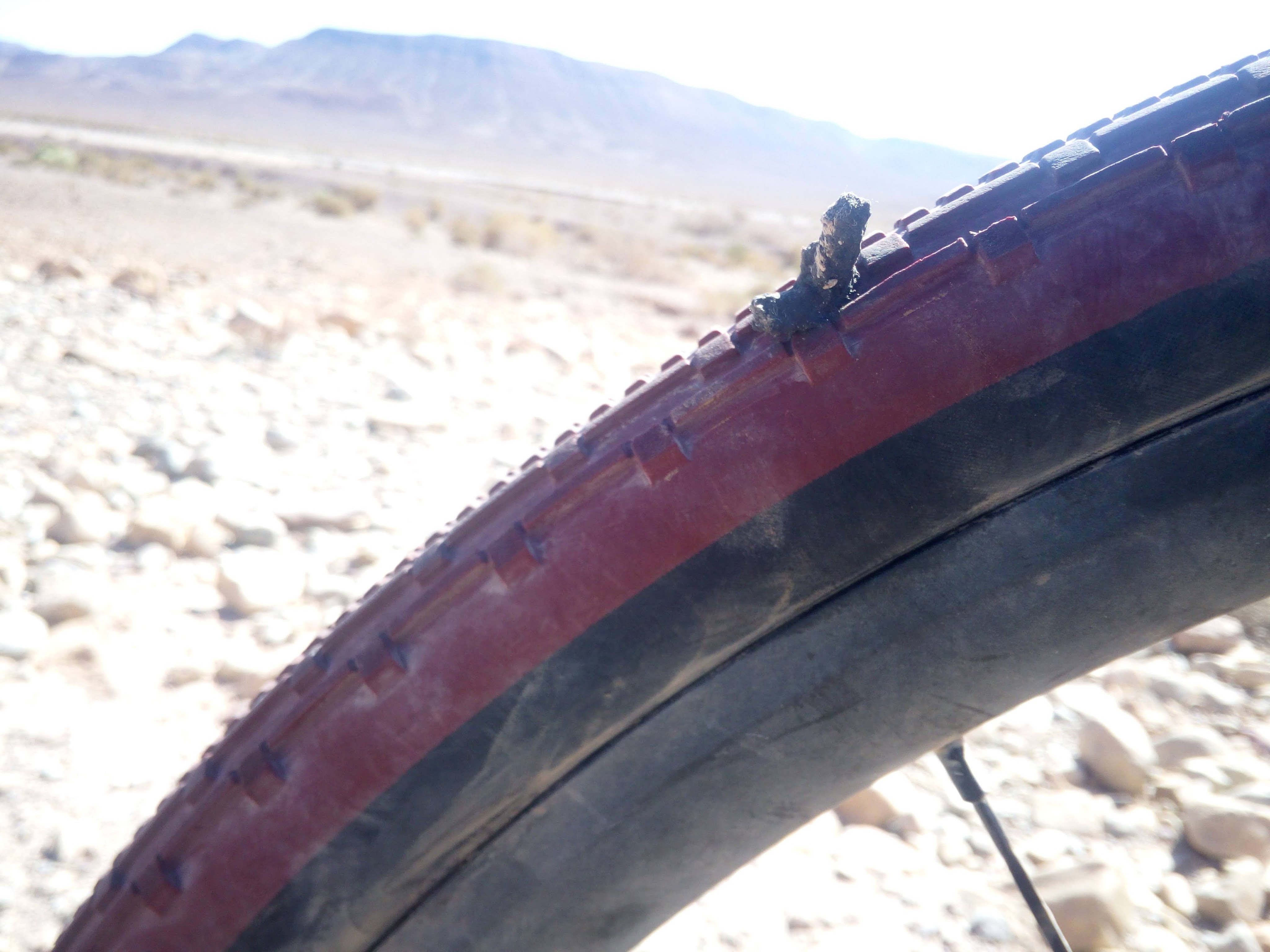
In the end, every single hole I was struggling, got sealed somehow. Even two large cuts on the side of the tire, but this, however, caused me a lot of downtimes. As much as I learned that day in handling tubeless tires was mine, but the vision of not having a spare portion of milk trampled my mined. That day, for the first time, I felt the lack of much wider tires so badly.
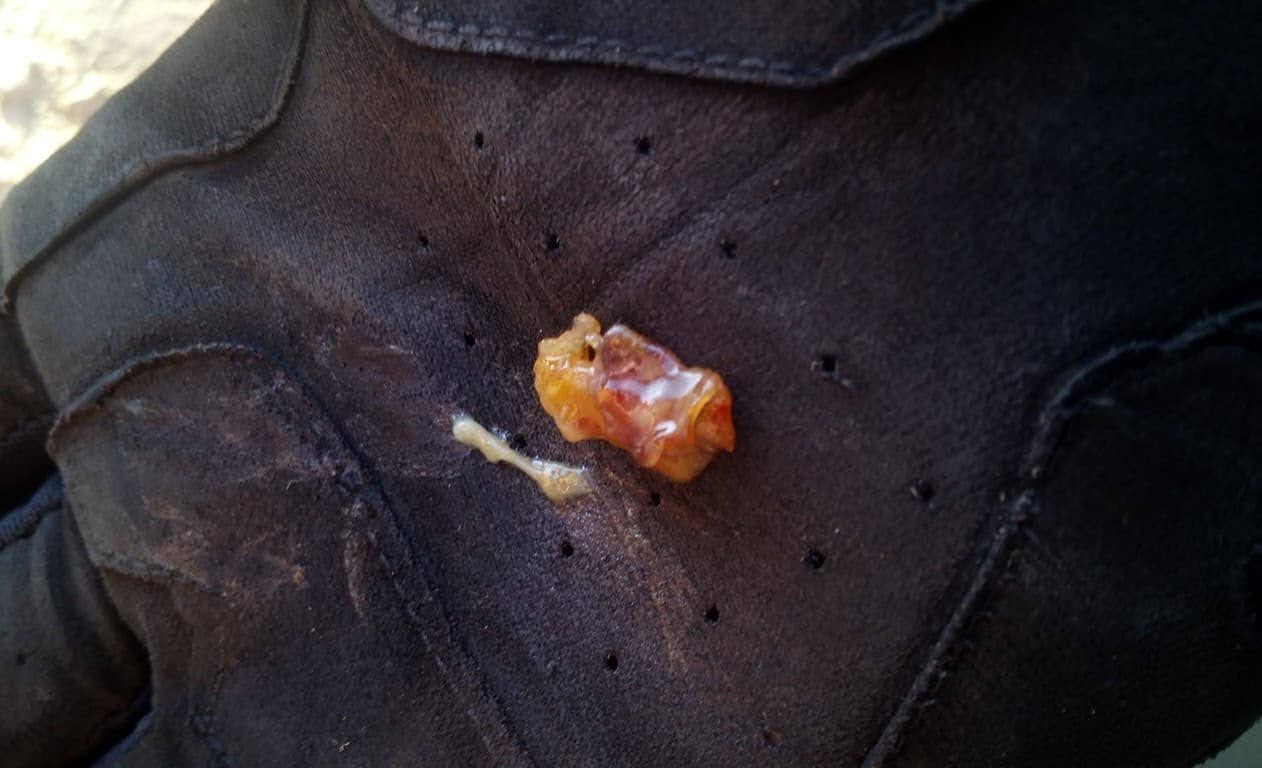
Around 6 PM I stopped in the small town of Afra. Warm food was out of the question, but I got some bars, crisps, canned sardines, milk, drinking yoghurts and chocolate. I filled up water and I was about to move on when suddenly my cough which accompanied me from the very beginning of my visit to Morocco has gone wild for good. I coughed something out on my hand. It was a nasal discharge, stuck together with blood and sand from the Moroccan air. I got scared a bit, but I explained to myself that this is the only way my body can get rid of it because my nose was completely blocked from the day before. I coughed out lots of them later on during the race and each time my speech was improving. Before, I could hardly speak because of the dry air.
I moved on, knowing that another night was ahead of me. The second day turned out to be a big failure. Although I did not check the race map that day, I could see how many riders overtook me on difficult descents with sharp rocks. The only hope of making up for a few places again was another night ride, with a short (shorter than previously planned) sleep break. At about ten o’clock in the evening, after reaching a small peak, I pulled off the road and unfolded my bivi on the sandy road between the rocks. It was enough for me to lie down to sleep quite comfortably. When I turned off my torch, a beautiful and almost endless starry sky appeared before my eyes. Amazing memory.
Sleep came in quickly after such an effort, but on schedule, two and a half hours later I was already descending from the reached summit to take another difficult climb and few other riverbeds. The second night, however, passed faster than the previous one. A vision of the bigger city of Taznakht in the morning, coffee and a hot breakfast was very motivating.
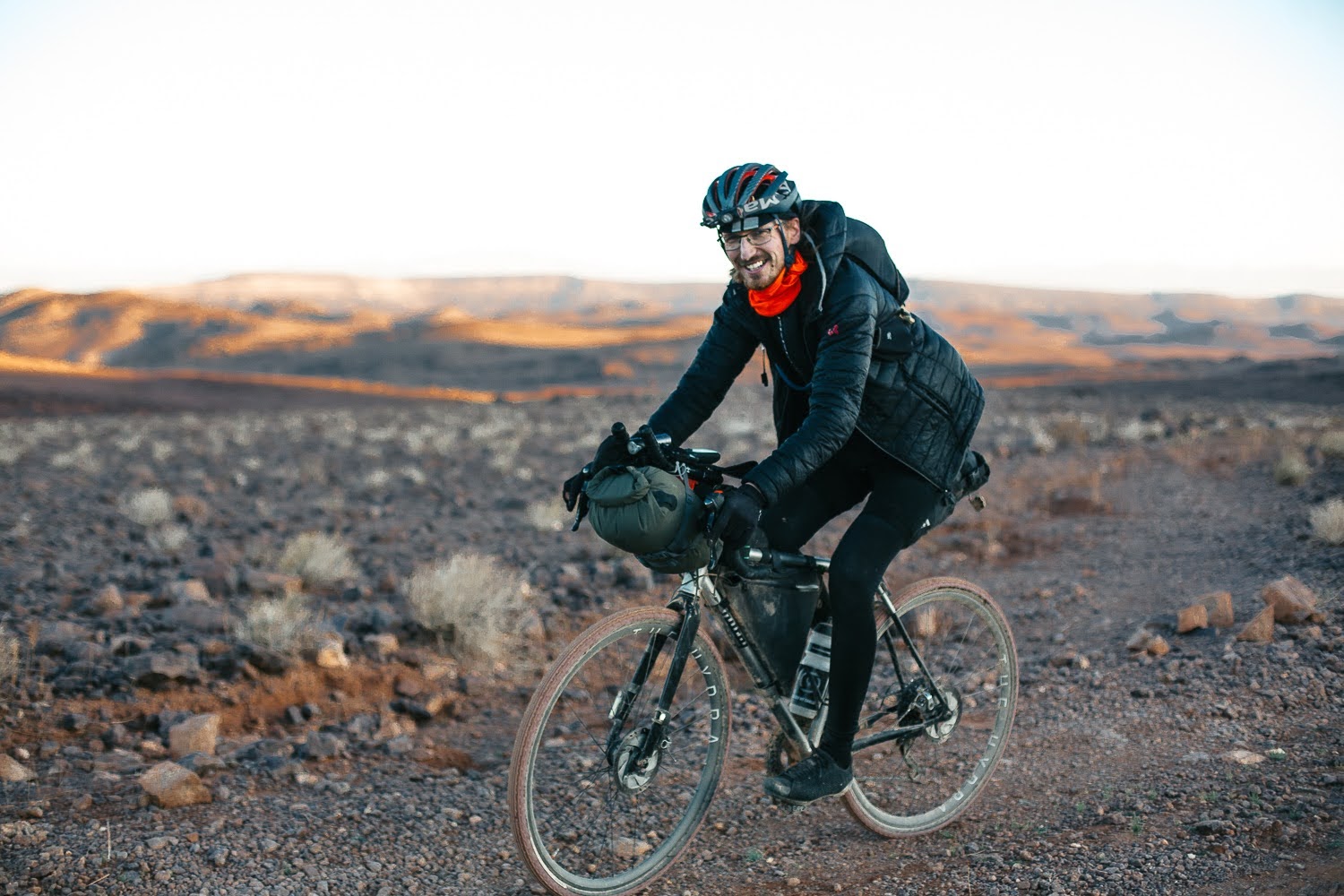
A bigger city is like a return to reality. Especially after a night full of unpredictable terrain. We are not fully aware of how much we escape into unknown spaces of our mind. Only the return to civilization, everyday life, to something known gives us awareness of it.
The third day started as a race again. I was trying as much as possible to catch up on the previous day’s losses, especially because the area changed a little in my favour. Beautiful endless gravel roads, a bit of tarmac, not so many big stones on the roads. It started well, but unfortunately, it didn’t last long. My progress, good attitudes, motivation and strength in my legs was effectively held back by problems with my tire, which, however, didn’t hold air as well as it should. This problem was with me practically all day, but I didn’t want to put in inner tubes, because I knew that this would be my end.
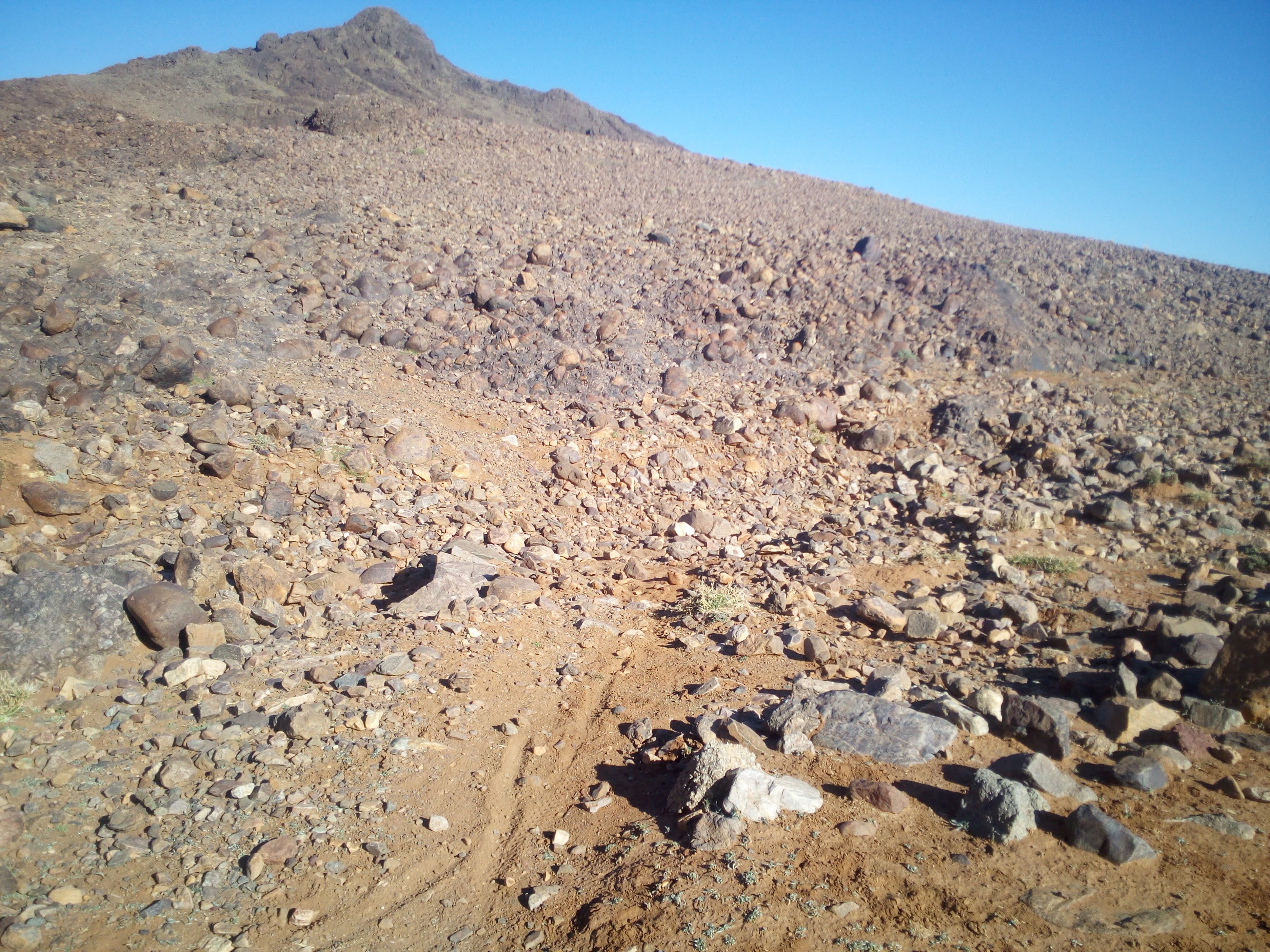
The second half of the day was stuffed with hard and heavy parts. More big stones appeared on the track and the heat, as I have already predicted, was getting even stronger, reaching the maximum between 4 pm and 6 pm. When I was trying to clear my nose from discharge, I got a nosebleed. The blood was pouring from my nose like water from an open tap. Fortunately, I was warned before about such case to happen, so I knew the operating procedure. I quickly made something like a tampon from what I had in my mini-medical kit and I blocked my right nostril to stop the fountain of blood. My mind was under a hard test. I had to stop and try to calm my body down, reduce the heart rate and slow down blood flow. I managed to survive this and after about an hour break, I rode into the night.
Getting to the second checkpoint seemed like a formality, it was only 90 kilometres, however, it was after the steep, unnamed, almost 2000-meter long pass on which the ascent was very demanding, and the descend from its south side was a real challenge because the slope is 26% and the surface is initially a rocky road, which later changes with the old uneven, holey and dangerous concrete road.
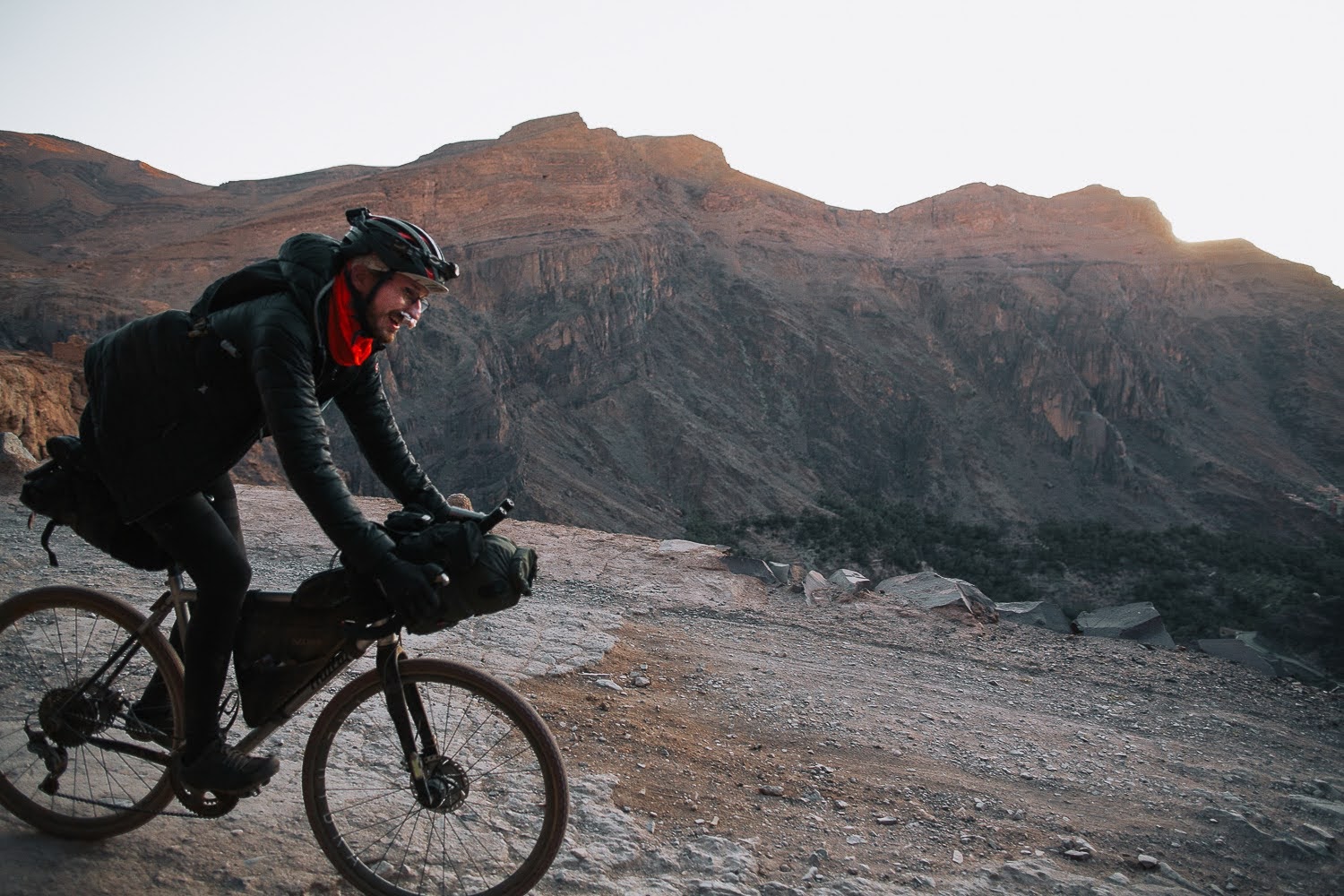
In the last village before the pass, I found a place to sleep for a few hours and about three in the morning I set off on my way to CP2. I got to the top before sunrise and to the checkpoint in Aguinane around nine in the morning.
From here, the landscape is changing quite drastically. It is even drier and more rocky, much harder than before, but the views are paying of for it.
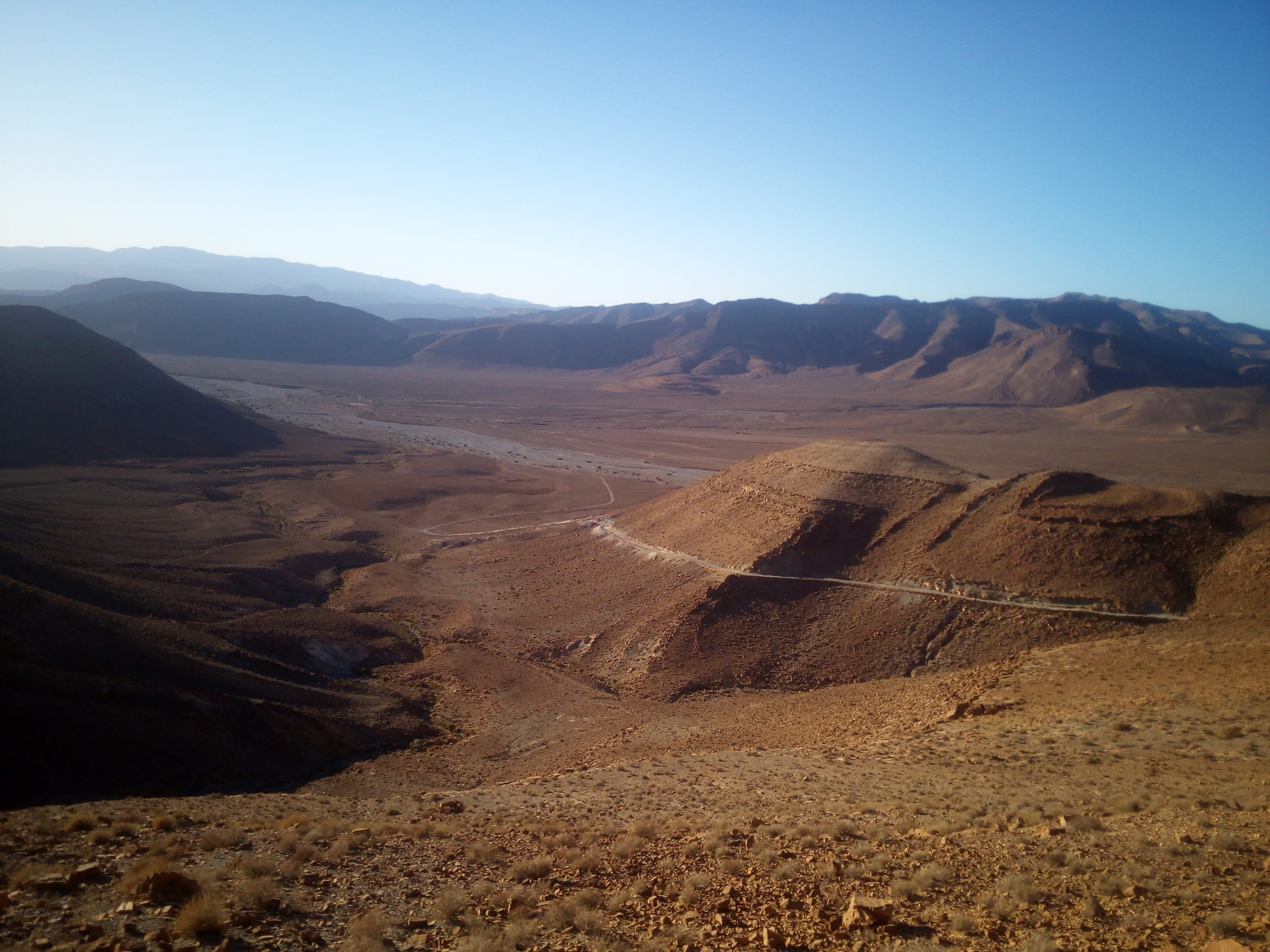
We entered an Anti Atlas, traversing the section called the Gates of the Sahara near Aka Ghuiren. It took me a whole day to ride/walk just 100 kilometers and the second half of it was all going through a dry river which meant nothing but stones. I walked a lot that day and I was thinking about my progress and if I would have enough water untill the next village. Luckily I came across one tiny settlement where I managed to buy a liter of milk. I drank the last drops of it about two hours before the end of the day.

In the evening I got to a small restaurant in Tagmoute. Fed and stocked, I set off on one of the most interesting sections of the route – the old road from Tagmoute. Described as one of the most beautiful part of the race, for me it turned out to be one of the most difficult. As I read in the race manual, a stunning piece of engineering, that was completely built by hand. It winds on the slope of the mountains above a chasm of several meters. It is now forgotten, neglected and interrupted in two places. It was here that my mined passed the greatest test during the entire race.
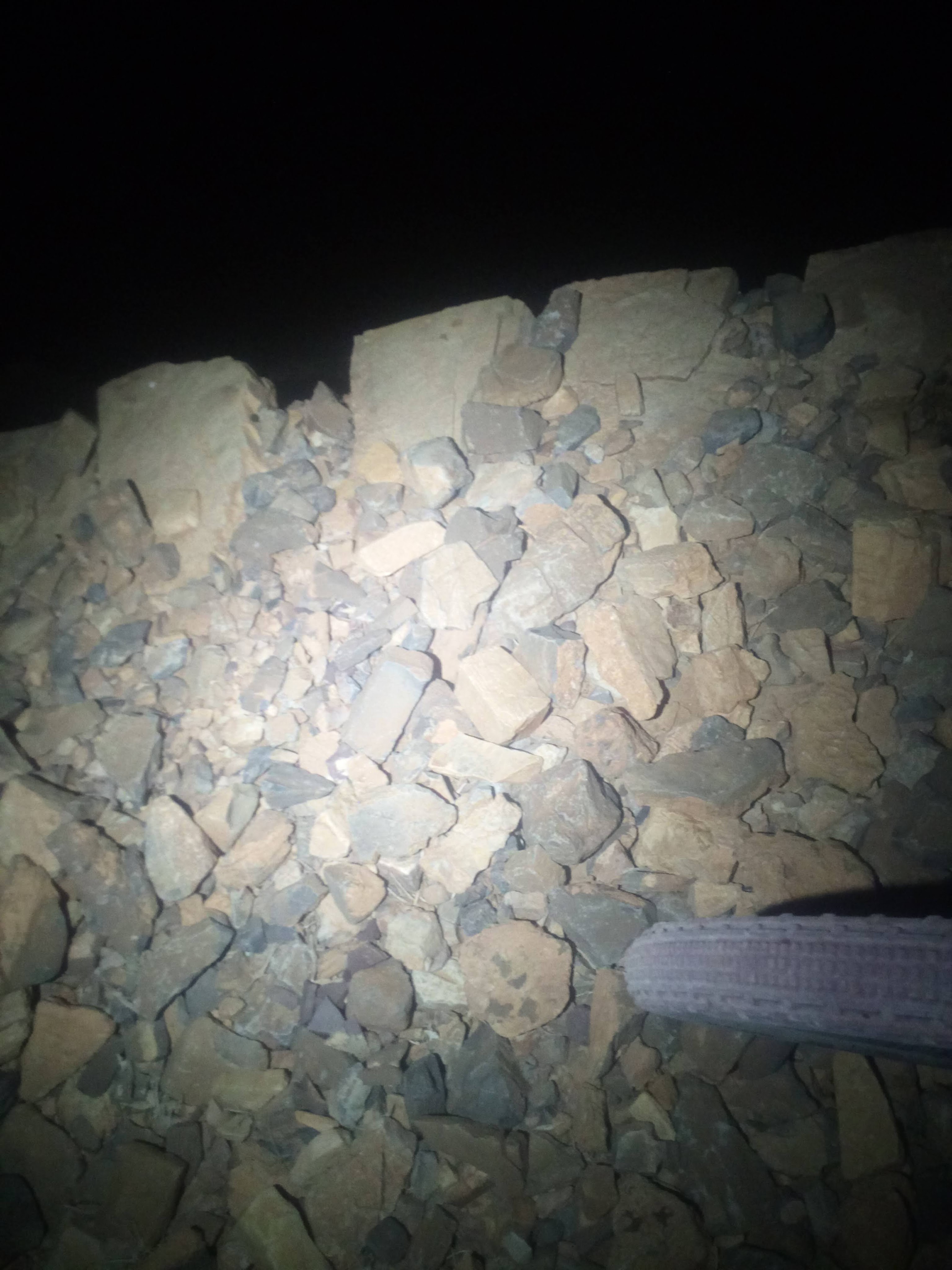
The old colonial road made me understand that whatever I would do to catch up with the lost position, I’ll lose it all right here anyway. For the first time in my racing history I just didn’t want to continue. I walked to the top for almost seven hours, but I was like a ghost, I didn’t know why I’m even walking.
Around four in the morning at 1750m.a.s.l., I fall asleep. After about three hours, I was up and on my way again. My thoughts were fresh and after the last night each subsequent hour was better. I had a long talk with myself, and I accepted the thought that I will not finish the race in a possition that for a moment it appeared within a reach. I also accepted that I should not be counting on any position. Everything has become clean and easy. The goal was to finish the race, in the best possible way for me and my Hultaj, and nothing more. It suppose to be like that from the beginning and last night made me realise that I have lost is somewhere on the way.

The fifth day was probably the best day of all. In the town, I bought a can of sealing fluid for car tires and I made my way to the third checkpoint which turned out to be within the reach of the day. The next difficult sections dicribe in the race manual were quite easy for me. Rocky paths, steep climbs, which previously caused me a lot of trouble, mainly mentally, were no longer my mind issues. My body became the main recipient of all adversity and it was perhaps the best possible deal I could make with myself. This old, forgotten colonial road from last night was like a racing catharsis. Of course as a standard, after 4 pm, several dozen kilometers before the third checkpoint, my tire stopped me for a little over an hour. Tire repair fluid was working, but it wasn’t enough for this hole. Once again I patched the tire with a Lezyne kit. I lost few positions again, but it was not as painful for me as before.

The third CP was very modest if I could say that. A townhouse with minimal supply options. However, I spent there too much time, mostly to recharge my powerbank, because from the previous day my dynamo-charger connection broke and I was unable to fix it anymore. I got to Ait Mansour around nine in the evening and left a little before midnight.
Final night was very emotional. Once again, we entered a completely different landscape. Plants appeared, mostly large cacti. I even managed to bump into one with my knee, what was quite a painful experience. The area wasn’t flat, but practically after last night everything seemed so much easier to me. On the way, we also passed another bigger city, Tafraout.
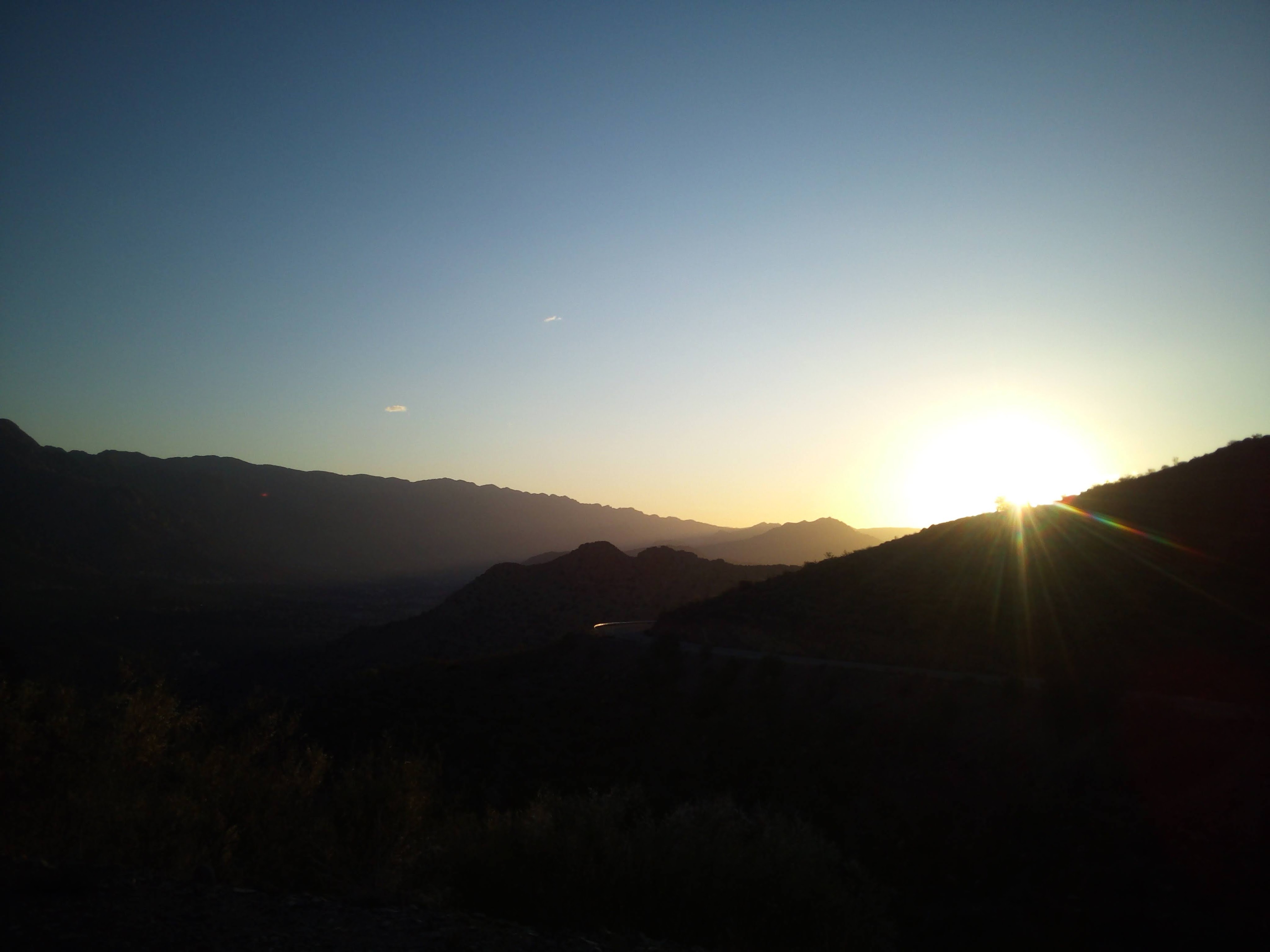
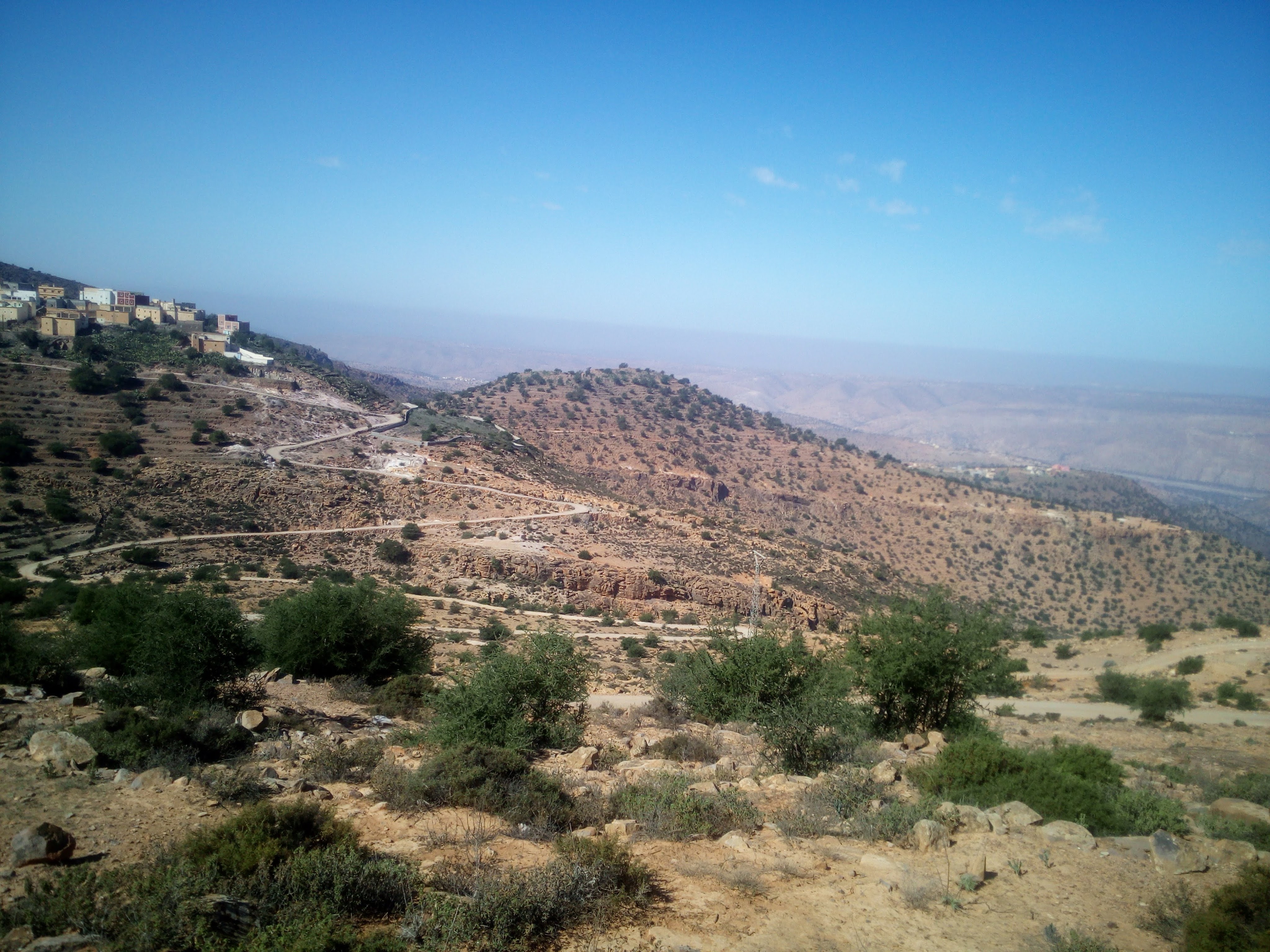

The morning confirmed my feelings about the landscape change. Generally the last hundred and fifty kilometers of the race turned out to be the easiest from the entire route covered so far. More tarmac, more buildings, more shops. Feelings of the end the journey was very close. Of course, it wouldn’t be AMR if there wouldn’t be any riverbeds for a day to cross, through which it is generally impossible to ride. Generally, however, the whole day was filled with a vision of the finish line, rest, beach and cold beer.

After five days and ten hours, I had less than five kilometers to the finish line. It is only fifteen minutes I thought, but at the same time the route went off the main road. took me to the middle of a deep sandy beach. There were some traces of the road, but the sand was so deep that there was no question of any ride. This one and a half hour walk destroyed my chances of reaching the finish line before the dark.
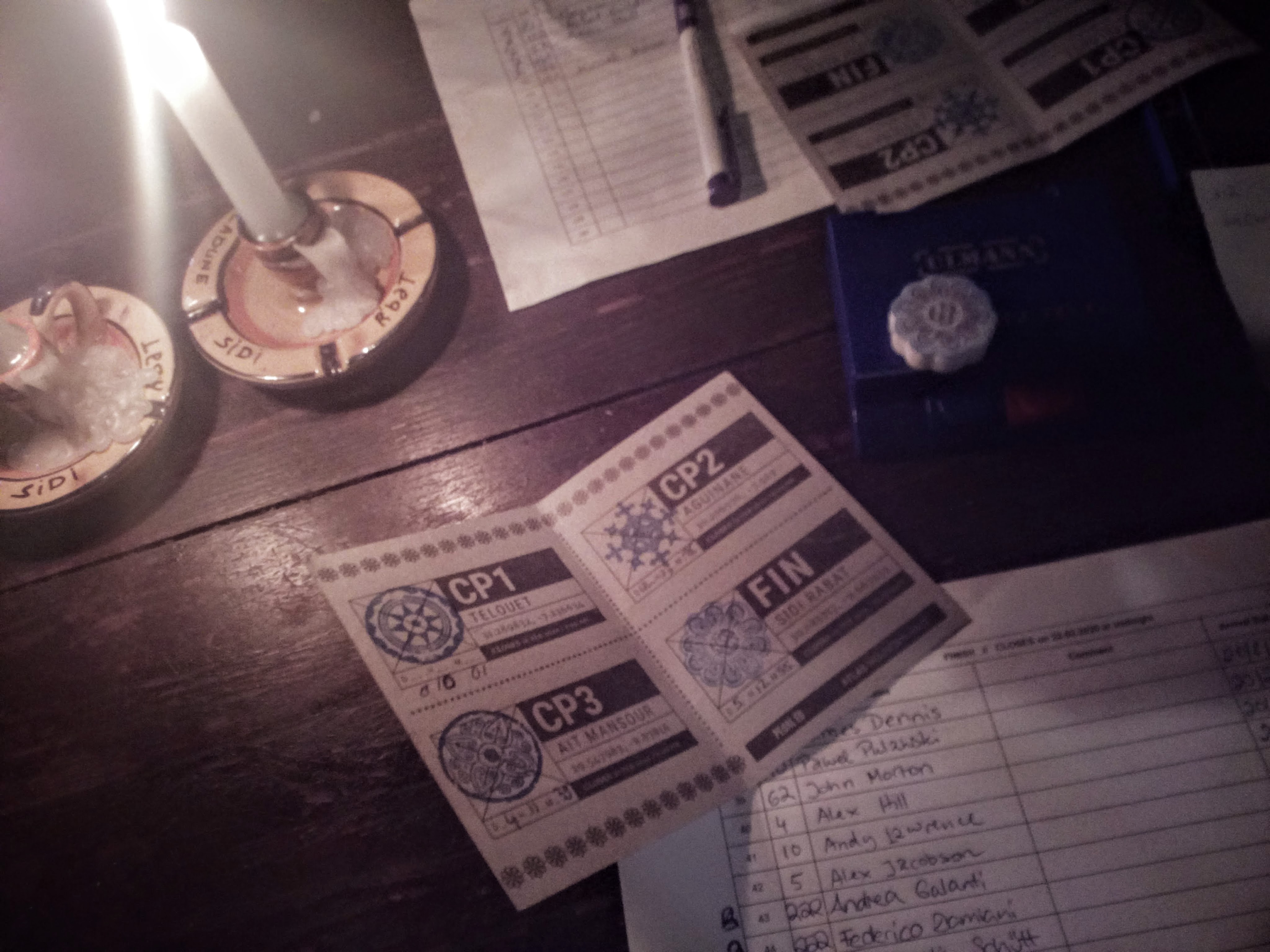

I arrived to Sidi Rabat after five days and twelve hours. I’ve got a stamp on my brevet cards and few words from the organisers and volunteers and that was it. I payed for food, beer and bed. I met few friends who finished before me or few others who scrached and so we spend the next three days, all together, by the ocean, on the continent edge, remembering the hard time of the race and pondering the meaning of putting ourselfs into it.
Lots to learn from it.
.
Thanks to Hultaj Bike ans Magazyn SZOSA for their support in this race!
My ride on STRAVA:
- https://www.strava.com/activities/3106298875
- https://www.strava.com/activities/3109070722
- https://www.strava.com/activities/3113195806
- https://www.strava.com/activities/3117555865

Private photo / My Hultaj at the finish line!
 Pawel Pulawski /// @pikopulawski
Hi Pavel,
Finally I found time to read it. Brilliant write up, thanks for sharing!
My memories came back. It seems that you saw me descending from the Tizi-n-Telouet pass on my full suss 🙂 I got hard crash.
I have to finish once my blog about this race as well.
Take care and see you somewhere some when.
Aleš
Yes, that must have been you!!! See you soon, and definitely write up the race report!